The playground is often seen as a joyous jungle gym of laughter and adventure, but for some toddlers it can feel more like a maze with no exit. If you’ve noticed that your little one seems hesitant to join in group play or struggles to make eye contact while swinging, you might be spotting autism early signs in toddlers who have difficulty with social interactions in the playground. This guide will help you decode those subtle clues, understand why the playground is such a crucial observation spot, and give you practical ways to support your child’s social growth.
Understanding the Playground: A Social Lab for Toddlers
What Is Social Interaction?
Social interaction is the dance of give-and-take that happens when kids share toys, negotiate turns, or simply glance at each other while building a sandcastle. For toddlers, these moments are the building blocks of empathy, turn-taking, and language development.
Why the Playground Matters
Playgrounds are the first places where children test their social skills outside the safe bubble of home. They provide a natural setting where:
https://numberfields.asu.edu/NumberFields/show_user.php?userid=6360432
- Competition and cooperation coexist. Sensory inputs (noise, motion, textures) are amplified. Language cues are delivered in real time.
Because of this, a toddler who struggles here may be signaling underlying challenges that warrant closer attention.
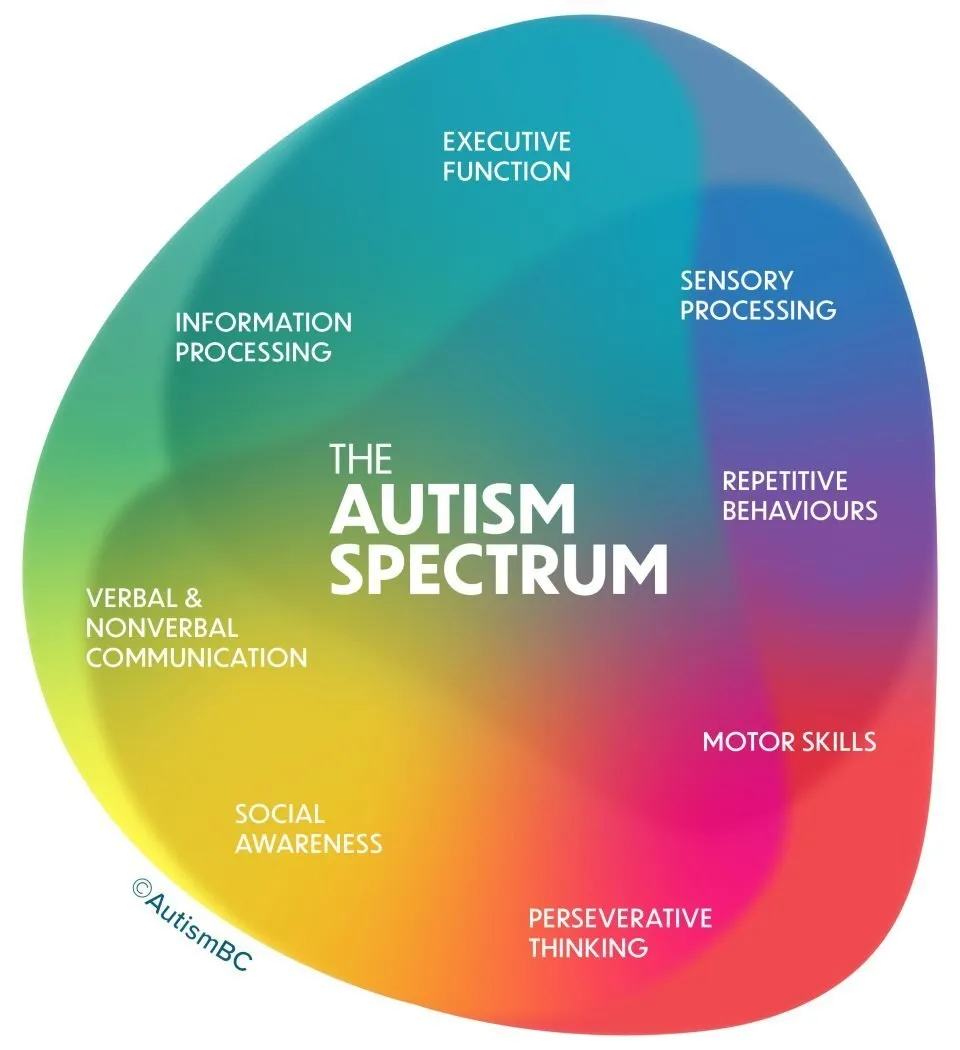
Recognizing Autism Early Signs in Toddlers Who Have Difficulty with Social Interactions in the Playground
Key Behavioral Clues
When a toddler avoids eye contact, prefers solitary play, or shows intense distress when a game changes, these may be red flags. Think of it as a puzzle with missing pieces: if one corner feels off, the whole picture is incomplete.
Communication Hurdles
- Limited use of gestures (e.g., pointing, waving). Delayed or absent babbling. Repetitive vocalizations that seem unrelated to the play context.
If your child’s “I want” is delivered with the same tone every time, it might be worth noting.

Sensory Sensitivities
Some toddlers are hypersensitive to:
- Crowds and noise. Textures of playground equipment. Bright lights or sudden movements.
A child who flinches at a merry‑go‑round’s spin may be experiencing sensory overload, a common thread in autism spectrum disorders.
The Role of Parents and Teachers
Observational Tips
- Record a day’s worth of play: note when the child engages, withdraws, or repeats actions. Use a simple checklist: eye contact, shared attention, turn-taking, response to prompts. Ask peers: sometimes classmates can highlight subtle differences you might miss.
When to Seek Professional Guidance
If you notice No babbling by 12 months a cluster of concerns—limited gestures, sensory aversions, and social withdrawal—consult a pediatrician or developmental specialist. Early intervention can turn a potential obstacle into a stepping stone.
Practical Strategies to Support Social Play
Structured Play Sessions
Create predictable routines:
- Set clear rules: “We take turns on the slide.” Use visual schedules: picture cards showing each step of a game.
Predictability can reduce anxiety and give your child a sense of control.
Role-Playing and Social Scripts
Teach simple scripts:
- “Can I play with you?” “It’s my turn now.”
These phrases become tools for your child to initiate interaction.
Sensory-Friendly Play Spaces
- Soft mats for quieter play. Low‑noise zones away from the carousel. Quiet corners where your child can retreat if overwhelmed.
Adapting the environment can make the playground feel like a friendly neighborhood instead of a chaotic circus.
A Lighthearted Take: The Playground as a Classroom of Life
Anecdote
Last month, I watched a toddler named Milo who refused to climb the jungle gym. Instead, he sat on the swing, watching others with a calm, almost meditative stare. When his friend offered him a game of “pretend pirates,” Milo simply nodded and followed along, pointing to the “treasure” in the sandbox. It was a quiet moment that reminded me that every child has a unique rhythm, even if it doesn’t match the mainstream beat.
Quote
> “Every child is a different kind of flower, and every flower has its own season.” – Unknown
This reminds us that while some toddlers may bloom early in social settings, others need more time to unfurl.
Moving Forward with Confidence
Building a Supportive Network
- Connect with parent groups that focus on early childhood development. Attend workshops on sensory integration and play therapy. Keep a journal of progress and setbacks to share with therapists.
Small Wins Matter
Celebrate each instance when your child initiates a greeting or shares a toy. These moments are the seeds that will grow into stronger social skills over time.